
Exclusive figure releases: how to decide what's actually worth buying
An “exclusive” release can drive up the price, but only if demand and documented sales support it. The word “exclusive” doesn’t say anything about value per se, it just says that the edition or sales channel was limited. Before you spend money on a particular variant, check the sticker or LE number, the exact variant name, and what identical copies have actually sold for. Marketing and market value are two different things.
In short:
- Scarcity itself does not increase value, but the interaction between limited supply and real buyer interest does.
- Official versions with verified LE numbers and sold-lists provide more reliable pricing than unspecified “exclusive” or “special edition” releases.
- Chase variants are random and rare, but are never sold separately, making them lotteries rather than planned purchases.
- Check exact variant name, UPC and provenance before purchasing and build your own registry to assess realistic market prices.
- Ensure authenticity by comparing print quality, serial numbers and prices against official product details to avoid counterfeits.
Table of contents
- How to identify exclusive figure releases and limited variants
- What types of exclusive figure releases are there?
- How do scarcity and demand affect the market value of the figurines?
- Checklist before purchasing or pre-ordering exclusive figures
- How to verify authenticity and avoid counterfeits
- How to store exclusive figures to preserve their value
- Perspective: why “exclusivity” is the most abused term in the hobby
- Buy official figures and exclusive variants at Animefigurer
- Sources
- Frequently asked questions
How to identify exclusive figure releases and limited variants
Most collectors get fooled by the same thing: a box with the word “exclusive” printed in gold. That doesn’t say anything about true rarity. You need to dig a step deeper to know if you’re actually holding something unusual.
- Read the sticker carefully. A sticker on the box shows where the figure was originally sold, and that detail has a big impact on the price. A sticker from a real convention usually commands a higher premium than a shared store sticker, because a con-exclusive sticker signals smaller edition and shorter sales window than a retailer sticker that the retailer shares with several chains.
- Check UPC, EAN and article number. Official product pages list exact variant names, and the same character may come in three or four variants with different codes. Look up the exact same UPC before comparing prices, otherwise you risk comparing a standard version with a true limited edition.
- Compare with actual sold items, not asking prices. An auction item that's listed for 2,000 SEK means nothing until it sells. Instead, look at completed auctions, save a screenshot with the date and region, and build your own little registry of what exactly your variant has gone for in recent months.
The third point is what separates a thoughtful collector from one who buys on impulse. Sold listings are the only number that matters in the secondary market.
What types of exclusive figure releases are there?
The word “exclusive” covers several completely different values of reality, and that is precisely what makes the concept so misused in marketing.
- Retailer exclusive: A chain has exclusive rights to a variant, often with its own color scheme or accessories. The most common and least rare of the categories.
- True convention exclusive: released in extremely limited numbers at a single trade show, often only a few hundred copies globally.
- Shared convention release: the same variant is sold at several fairs or later online, which lowers rarity despite the “convention” stamp.
- Numbered limited edition (LE): The figure has a printed LE number of a total number, for example 450/1000, which provides a verifiable upper limit for the edition.
- Chase variant: a rarely occurring color or design variant hidden among common examples in the same series.
Chase variants are especially tricky to judge, as they are never sold separately. They appear randomly in a batch, and in some series the odds are about one in six. This makes chases a lottery rather than a purchase you can plan for.
Be extra wary of the phrase “special edition” without further specification. Always ask the seller for the exact LE number, sales channel, and total number of copies produced. Without those answers, “special edition” is just a sales headline.
How do scarcity and demand affect the market value of the figurines?
Scarcity alone does not create value. A figure in a 50-piece edition that no one wants is still worth almost nothing. It is the interplay between limited supply and real buyer demand that builds the price, and it is precisely this interplay that you need to read before paying a premium.
Five factors determine how high the price actually lands:
- The popularity of the franchise. A limited figure from a blockbuster series like One Piece or Demon Slayer draws more buyers than an equally rare figure from a niche series.
- Stickers and provenance. Two identical figures with different stickers can be traded for several different prices depending on the provenance of the box.
- LE number and total number. Lower total editions with clearly printed numbers give buyers a concrete rarity ceiling to relate to.
- Condition and original box. Mint in box with untouched sticker regularly beats used condition outside original packaging, often by a significant margin.
- Documented sales history. Without sold references, the price becomes pure guesswork, no matter how rare the item is claimed to be.
Pro tip: Build your own small Excel sheet with variant names, auction sale dates, and price. After three to four observations, you will see a realistic range rather than a single asking price that may have been set by an optimistic seller.
Museums and brands consciously exploit the same principle. Official launches often sell exclusively on site for an initial period before the product reaches a wider market, which builds initial scarcity just when interest is greatest.
Checklist before purchasing or pre-ordering exclusive figures
Pre-orders are where most impulse purchases of “exclusive” figures happen, and it’s also where regrets most often arise. A structured routine will save you both money and disappointment.
- Write down the exact variant name, article number and UPC before you book, so you can prove what you actually bought if the seller later changes the description.
- Note the pre-order period and specified delivery month. Delays are common in the industry, and a documented timeframe protects you in the event of a dispute with the seller.
- Ask for or take your own photo of the sticker and box before confirming the purchase, especially in second-hand purchases where you cannot verify provenance in any other way.
- Compare with previously sold copies of the exact same variant and set a personal purchase limit with a margin for shipping costs and possible damage in transit.
Pro tip: Set your buying limit 10 to 15 percent below the highest selling price you found, not at the median. Second-hand prices on newly released exclusive figures often drop slightly once the hype dies down after the first few weeks.
The fourth point is the most common mistake made by new collectors. You see a number on a sales page and assume it is the market price, without checking whether something has actually sold for that amount.
How to verify authenticity and avoid counterfeits
Counterfeit collectible figures have become more common as resale prices for exclusive variants have risen. Official product pages are your best point of reference, as they provide exact design, material details, and packaging text that a replica will rarely match perfectly.
Stores like Anime characters lists product details and variant names openly, giving you a baseline to compare second-hand items against. A wide range of hundreds of series also makes it easier to see what authentic packaging, stickers and printed text should look like for the particular character you are looking for.
- Compare the print quality and color tone on the box against an official product image, not against another seller's photo.
- Please check that the UPC/EAN on the packaging matches what is listed on the official product page.
- Be suspicious of prices well below the lowest level of the sold lists. A too good price is often a sign of a copy or damaged goods hidden in the description.
- Always ask for more pictures of the bottom of the figure and the sides of the box, where counterfeits are usually revealed by poorer casting quality.
Fast delivery and secure payment also reduce the risk when making a new purchase, as you are buying directly from a traceable source instead of an anonymous second-hand store.
How to store exclusive figures to preserve their value
Condition is one of the factors that affects price the most, and damage usually occurs at home, not during shipping. Direct sunlight will fade the color pigments on plastic figures within a few months, especially on red and yellow surfaces. Place the collection away from windows and bright lights.
Humidity and temperature changes damage both the figure and the box over time. A dry, temperate room is better than a closet in a basement or attic. If you want to maintain the highest resale value, save the original box unopened and avoid throwing away the protective plastic insert. A mint in box figure regularly beats an identical figure without a box, often with a significant price difference on the resale market.
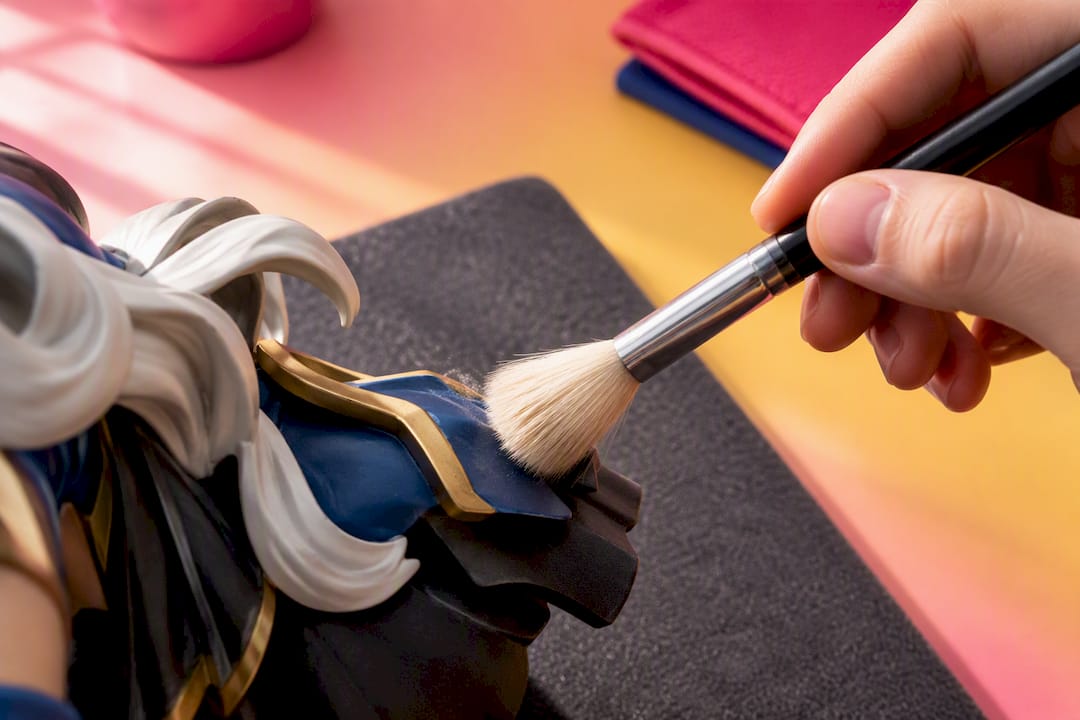
Dust quickly accumulates on detailed statues. Clean with a soft brush rather than a cloth, which can scratch the painted surface or loosen small glued parts.
Perspective: why “exclusivity” is the most abused term in the hobby
The most common misconception among new collectors is that rarity automatically means money. It doesn't. I've seen hundreds of "limited edition" figures sell for less than their original price years after release, simply because no one was asking for that particular character. Meanwhile, an obscure retailer exclusive from a really big franchise can double its price within a year.
The conventional advice, “buy exclusives because they always go up in value,” is simply wrong. The right question is not “is this exclusive?” but “is there a documented buyer who paid more for exactly this variant, in this condition, with this sticker?” Without that answer, you’re trading on hope.
Your first priority shouldn't be hunting for the rarest figure on the market. It's building the habit of verifying before you pay, no matter how "exclusive" the box claims to be.
— Theo
Buy official figures and exclusive variants at Animefigurer
There are alternatives to chasing unsafe second-hand purchases: buying official figures with clear product text, fast delivery and secure payment, instead of taking a chance on an anonymous seller's description. A wide range gives you more points of reference when comparing variants, UPCs and condition before buying.

Among the range are examples that show the range of products. Captain Marvel in Starforce uniform from Marvel Select, 18 centimeters, is suitable for those who collect action figures with a high level of detail in posing and materials. Boba Fett in 1/7 scale from Premier Collection, 28 centimeters, is aimed at collectors who want to invest in a larger statue figure with strong franchise value. Cal Kestis from Jedi: Fallen Order in the Gallery series, 25 centimeters, attracts those who want a newer character before second-hand prices have time to rise.
Check the product's official page for the exact variant name and submit your email to be notified of upcoming releases. selected offers and special releases, so you don't miss the next limited edition.
Sources
- Funko Pop stickers explained — Every exclusive sticker & what it means
- An original illustration by Tove Jansson gets new life on a Moomin mug – Moomin
Frequently asked questions
Does “exclusive” always make a figure more valuable?
No. Exclusivity only means that the sales channel or edition was limited, not that buyers are demanding that particular variant. The value is determined by documented sales history for the exact variant, condition, and stitch you are comparing against.
What does a sticker on the figure's box mean?
A sticker shows where the figure was originally sold, such as at a trade show or at a specific retailer. A convention sticker often carries a higher premium (https://pops.today/articles/getting-started/funko-pop-stickers-explained) than a shared retailer sticker, as it signals less spread.
What is a chase variant?
A chase is a rare design or color variant that is randomly hidden among regular copies of the same series, with odds of about one in six in some productions. It is never sold separately, making it a lottery purchase rather than a planned order.
How do I check that an exclusive figure is authentic?
Compare UPC/EAN, print quality, and variant name against an official product page, and be suspicious of prices well below what similar items have actually sold for. Stores like Animefigurer list official product details you can use as a reference.
Where can I buy figures with an official guarantee of authenticity?
Anime Figures offers official figures with clear product text, fast delivery and secure payment across several hundred series, which reduces the risk compared to anonymous second-hand purchases. Current prices and stock status are displayed directly on each product page.
How do I know what a figure is actually worth before I buy?
Look up completed auctions and sold listings for the exact same variant, condition, and sticker, and build a price range based on multiple observations rather than a single asking price. Then set your buying limit slightly below the highest confirmed sold price.