
Figure reissues: how collectors monitor new releases
A re-release of a figure is a new production run of a previously released collectible figure, often identical in design but with a new production number. Your best chance of getting your hands on one is to keep an eye on the manufacturer's official store and pre-order links directly, as the windows close quickly. Nendoroid from Good Smile Company is one of the most reissued names in the industry and a great example to learn the pattern from.
In short:
- A reissue involves a new production run of the same figure, often with the same design but sometimes with new parts or color variations.
- The chance of getting your hands on a reissue before it runs out depends on timely information from manufacturers or retailers via newsletters, social media, and watchdog services.
- Pre-ordering a re-release requires speed and timing, especially for popular titles that can sell out within weeks of announcement.
- Checking product numbers, licensing stamps, and box art is crucial to ensuring that a reissue is authentic and not a counterfeit.
- More reissues may lower the value of original figures, but collectors should keep the original box and receipt to preserve future value.
Table of contents
- What does a reissue of a figure actually mean?
- Where and how do you monitor upcoming reissues?
- How do you prepare for a pre-order?
- How do you determine if a reissue is authentic?
- Why stores and collectors like reissues
- How Anime Figures helps you keep track of new releases
- Sources
- Frequently asked questions
What does a reissue of a figure actually mean?
A first edition is the original production of a figure, often in a limited quantity. A re-edition is a new production run of the same sculpt and shape, usually with the same color scheme and accessories as the original. If the content differs more significantly, for example through new color variants or new parts, the manufacturer usually calls it a new production or special version rather than a pure re-edition.
Three things drive the decision to reissue a figure: demand that exceeds the original stock, factory production limitations on the first run, and in some cases, renewed licensing agreements with the rights holder of an anime series. A figure that sold out within hours of launch is an obvious candidate for reprinting a few years later.
The Nendoroid series clearly demonstrates this pattern. Good Smile Company has re-released several of its most popular figures in the format, which are around four inches tall and known for interchangeable faces and parts. A concrete example is Sonic the Hedgehog, where the figure has now been announced for its fourth re-release via the official store. Four runs of the same figure say something important: a really popular design can come back time and time again, giving collectors who missed out on previous occasions new chances.

Where and how do you monitor upcoming reissues?
The chances of catching a re-release before it sells out are usually determined by how quickly you get the information, not by luck. The primary sources are the manufacturer's own store, such as Good Smile Company, official press releases, and major distributors and retailers who list products ahead of launch.
Build a monitoring routine around these channels:
- Subscribe to newsletters from manufacturers and stores you trust, and you'll get advance information before the general launch.
- Follow official social media accounts for quick announcements, which often come at short notice.
- Use RSS feeds or watch services for product pages that are not yet in stock.
- Enter known pre-order dates in a calendar with a reminder a few days before, not on the same day.
- Check the sales and news pages of stores regularly, as sold-out figures sometimes reappear without a major press release.
Manufacturers often open time-limited pre-order windows that can close within a few weeks, sometimes sooner for particularly popular titles. Anyone who waits until the last day risks missing out on a spot in the production run.
How do you prepare for a pre-order?
A good re-release purchase is as much about timing as it is about budget. Some titles are worth pre-ordering right on announcement, while others are worth waiting a week to see if the price or shipping date adjusts.
- Assess demand: did the first edition sell out quickly, or was it left in stock for a long time? Fast sales in the past indicate that the reissue should also be pre-ordered immediately.
- Set a budget for the season's purchases before you start watching, so that an impulsive pre-order doesn't crowd out a figure you actually prioritize higher.
- Check that the store offers secure payment and clear information about delivery time before placing a pre-order, especially at foreign stores.
- Confirm your delivery address and contact details well in advance, as many pre-orders are delivered months after the order is placed.
Pro tip: Bookmark the store's sale page and home page and check them every week. Sold-out figures sometimes reappear on Anime characters without it being widely announced, especially when a stock is replenished after a minor reissue.
Animefigurer.se:s about us page describes how the store handles pre-orders and upcoming deliveries, which provides a good starting point if you want to understand the process before you shop.
How do you determine if a reissue is authentic?
Always check the product number, licensing stamps, and manufacturer logo on the packaging before paying for a more expensive figure. Official re-releases have the same serial number format as the original, but often have a new production date printed on the bottom of the box or on a sticker label.
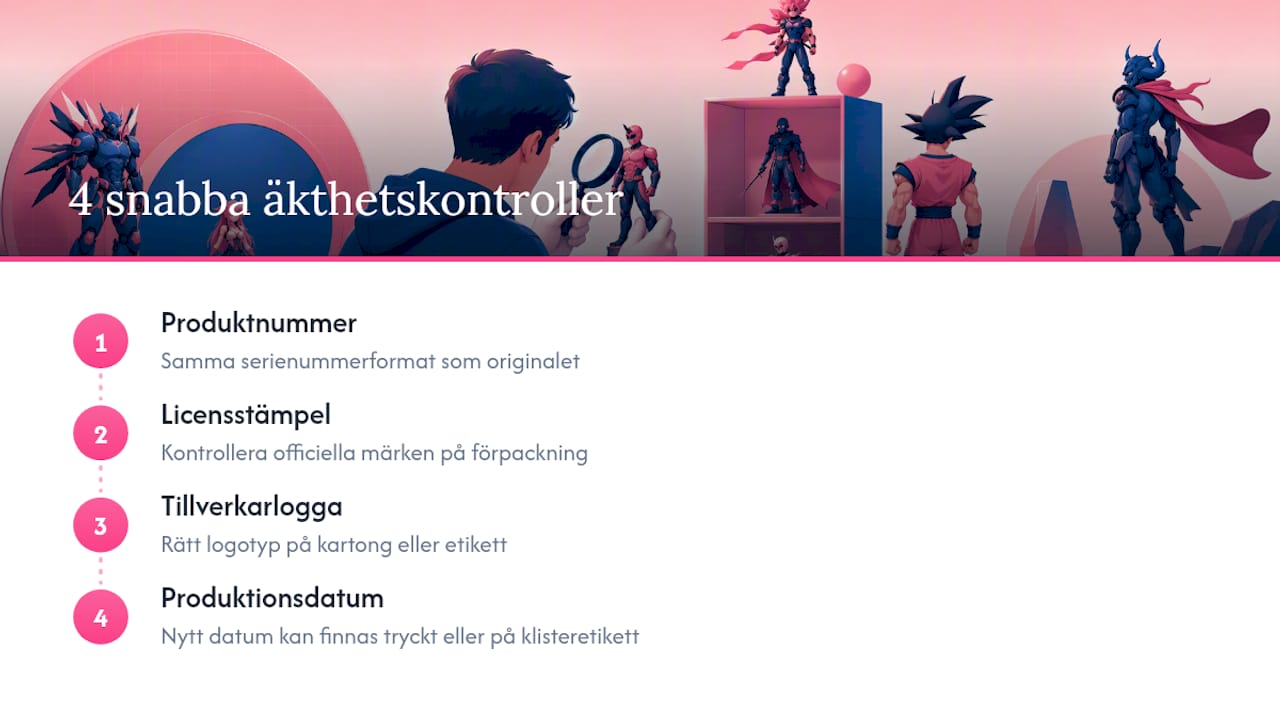
Look for three things that reveal differences between releases: color shade, which can vary marginally between production runs, accessories that are sometimes pulled in or added in a new run, and box art, which can be updated with new artwork even though the figure inside the box is unchanged. A store that clearly labels a product as a reissue in the product name, like the example with Spice and Wolf Holo in scale 1/4, makes it easy to know exactly what you are buying.
For resale value, there is a simple rule: more reissues will typically lower the price of a used first edition, as supply increases. Collectors who want to preserve value should save the original box, receipt, and any numbered certification, as these details will be crucial if you resell the figure later.
Why stores and collectors like reissues
From a retail perspective, reissues are a way to plan inventory around confirmed demand instead of guessing. A figure that has already sold out once is a sure bet for the next production run, making purchasing decisions easier for retailers.
For collectors, the benefit is even clearer. Anyone who started collecting after an iconic figure had already sold out gets a second chance to complete their collection without paying second-hand prices. Multiple runs of the same Sonic figure show that even big, popular titles return if demand remains years after launch.
— Theo
How Anime Figures helps you keep track of new releases
Anime Figures offers a carefully selected range of official figures with secure payment and fast delivery, making it easier for collectors to find authenticity and quality. This makes monitoring easier: you already know that what you find in the store is legitimate, which saves time compared to checking each seller manually.
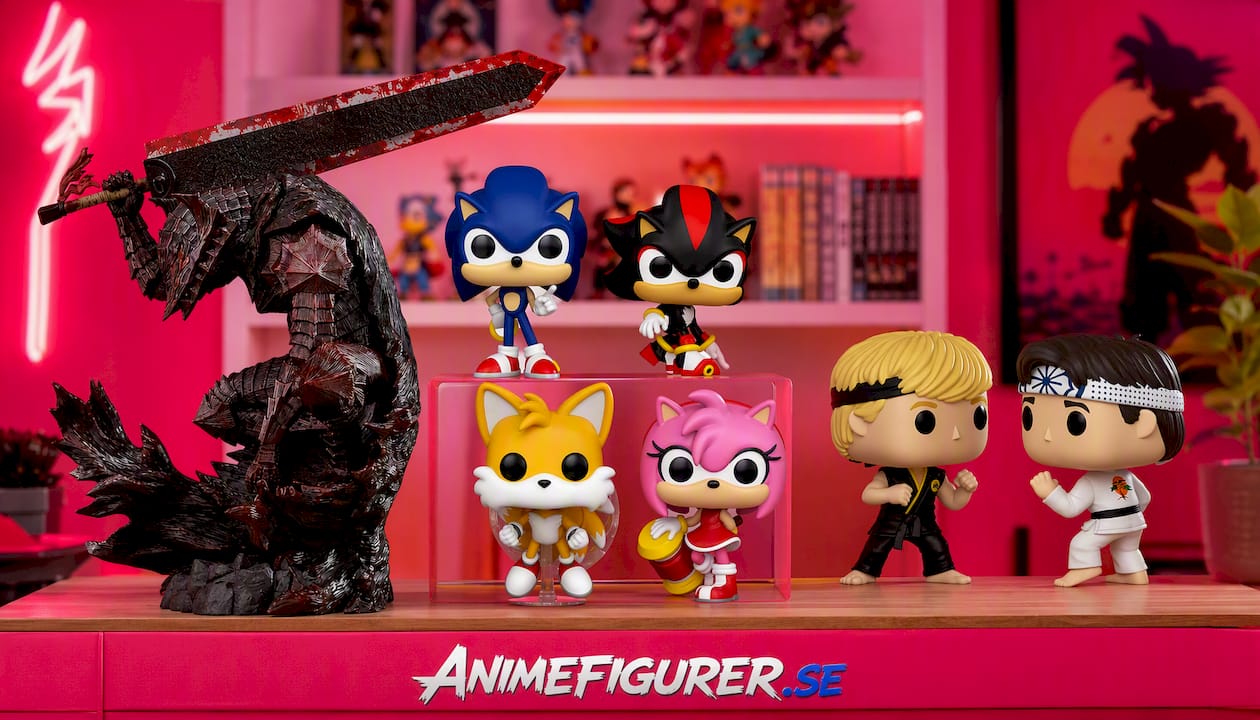
The range ranges widely, from detailed scale figures to smaller collector's items. Berserk Pop Up Parade figure of Guts in Berserker Armor is an example of a detailed 28cm figure that will suit collectors looking for statue-like quality. For those who prefer a smaller format, there are Sonic the Hedgehog POP! figures in a four-pack, and the Karate Kid POP! Johnny and Daniel figure pack is a great addition if you collect movie figures outside of the anime genre.
Browse the entire the assortment of anime figures to see what's in stock right now, or check out the categories for blind box and mini figures, statues and stuffed animal if you want to broaden the collection. Do you want to complement the shelf with posters and wall scrolls, there is too. Bookmark the store and check the sale page every week, it's the easiest way to catch a reissue before it sells out again.
Sources
Wikipedia's article on Nendoroid provides a reliable summary of the series' history and format, useful when you want to double-check facts about a specific figure. News sites that report directly on re-releases, such as the article on the fourth re-release of the Sonic figure, are often quicker to provide information than official channels. Blogs with general buying advice, such as MagicFranco's guide to choosing manga characters, can complete the picture when assessing quality before purchase.
Frequently asked questions
What is the difference between first edition and reissue?
A first edition is the original production run of a figure, while a reissue is a new production run of the same design, often with a new production date. The content is usually identical, but box art or minor details may differ between runs.
How quickly do reissue figures sell out?
It varies depending on the popularity of the title, but pre-order windows for in-demand figures often close within a few weeks of the announcement. Titles that have already sold out once tend to go the fastest on the next run.
Does a reissue lower the value of my original figure?
Yes, a reissue typically lowers the resale price of a used first edition as supply increases. Save the original box and receipt if you want to preserve as much value as possible for a future sale.
How do I know that a reissue is genuine and not a fake?
Check the product number, licensing stamps, and manufacturer logo on the packaging, and compare box art with official images from the manufacturer. Buying from established stores significantly reduces the risk of counterfeits compared to unknown sellers on secondary markets.
Where can I find reliable information about upcoming reissues?
The manufacturer's official store, such as Good Smile Company, and major retailers are the most reliable sources for announcements. Anime figure sale pages and product pages are updated regularly as sold-out figures come back into stock.