
How to avoid fake figure shops when buying anime figures
Buy from authorized retailers or proven Japan channels, always check the product code, packaging, and base stamps against the manufacturer's data, and pay with a method that offers buyer protection. Also, ask the seller for your own photos, not stock images, before paying. That combination will stop most bootlegs before the money even leaves your account.
In short:
- The most reliable purchases are made via the manufacturer's own webshop or authorized retailers to minimize the risk of bootlegs.
- Checking the product code, the quality of the hologram and the packaging printing is crucial to identifying genuine figures, especially compared to copies.
- The price level should always be in line with the market, and extremely low prices are often signs of copies or fraud.
- Secure payment and clear photo documentation before purchase protects against lost money and poor quality.
- If you suspect a scam, you should stop the communication, report it to the platform and contact the consumer authority for help.
Table of contents
- Verification checklist: what to check on the packaging
- Physical details that reveal a bootleg
- Seller behaviors to avoid and secure patterns to look for
- Where is the safest place to buy, and when does a proxy service work?
- Questions and photo requirements to ask before paying
- Why trust this advice, and what Anime Figures offers
- How to report a suspected fake figure shop
- Common fraud methods behind fake figure shops
- The consequences of buying from a fake figure shop
- What I think collectors often miss
- Safe shopping: three official figures to start with
- Sources
- Frequently asked questions
Verification checklist: what to check on the packaging
Packaging reveals more than most people think, if you know where to look. The manufacturer's logo and copyright text should be clearly printed, not blurry or misspelled. A genuine hologram or tamper-evident sticker will have depth and change color when you angle the packaging, while counterfeits often look flat and glossy without any real twist effect.
Then check the product code, often called the JAN code, against the manufacturer's own product page or a community database. If the numbers don't match, or the code is missing entirely, it's a clear sign of trouble.
- Read the copyright line carefully: the correct licensee and manufacturer name should be listed, not generic text.
- Make sure the hologram has real depth, not just a glossy surface.
- Look up the product code/JAN code against the manufacturer's catalog or a collector's database.
- Compare the print quality of the cardboard with images from verified purchases in the community.
A missing sticker isn't always a death sentence. Some older or replaced stocks lack an outer plastic film for natural reasons, but if the entire sealing system is missing on a newer figure that is otherwise sold as new and unopened, it's a warning sign you should take seriously.
Pro tip: Always save screenshots of the ad images and the seller's response before paying. If something goes wrong, it's your best evidence against both the platform and the payment service.
Physical details that reveal a bootleg
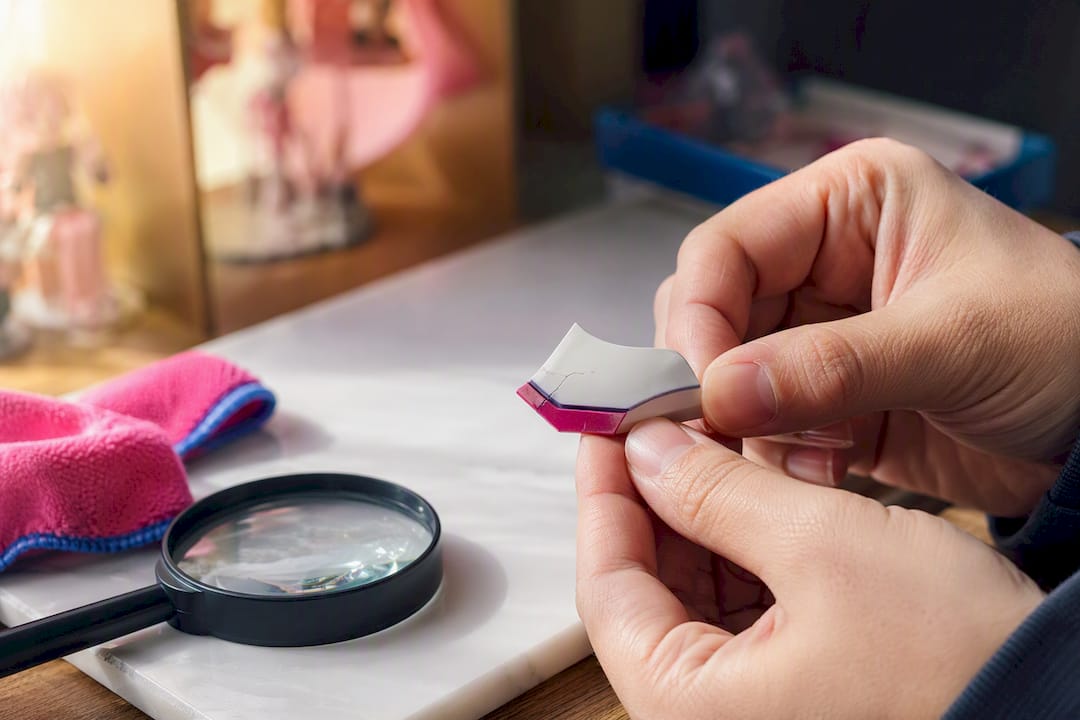
Eye prints are perhaps the most reliable test a collector has. Genuine manufacturers take great care to ensure sharp contours and smooth color transitions in the eyes, while bootlegs often have blurry lines or the wrong shade of the iris. This is one of the most difficult details to copy, making it one of the most reliable authenticity tests which exists.
Seam lines, the thin lines where the mold parts meet, are more visible and coarser on replicas. Look for them along arms, hair, and clothing details. Plastic flow that forms small bumps along the edges is another sign of a cheaper mold.
- Hold the figure in your hand: real PVC figures have a specific density, a bootleg often feels lighter or unnaturally light in relation to its size.
- Gently smell the plastic. A strong chemical smell may indicate lower quality material.
- Check that accessories, such as swords or extra hands, fit precisely into their mounts (peg holes) without play or binding.
- Examine the base: the peg system should fit the figure's foot without you having to force it.
The base stamping under the figure is one of the most direct proofs of authenticity there is, as it often indicates the manufacturer, copyright holder, country of manufacture and a production number. If all the text there is missing, or is badly blurred, you should be wary, even if the rest of the figure looks good.
Seller behaviors to avoid and secure patterns to look for
- Extremely low price. It is the single strongest warning signal. Authentic scale figures stay within predictable price range, and a figure sold for half the market price is usually a copy, not a bargain.
- Stock photos or images that do not show the entire product. Real sellers photograph their own figure from multiple angles, including the underside of the box. Stock images or cropped photos which hides details is a clear observandum.
- New accounts with multiple identical high-risk ads. An account created the same week that sells ten different “rare” figures at a bargain price is likely acting in bad faith.
- Unusual payment demands. Requests for bank transfers, gift cards, or cryptocurrency instead of buyer-protected methods should always be rejected.
Safe patterns go the other way. Look for sellers with a long order history, verified reviews, and actual photos of the figure in their possession. Before confirming a purchase from an unsafe listing, do a reverse image search to see if the same photos appear across multiple listings, and cross-check the product against community forums or databases that show what an official release actually looks like.
Where is the safest place to buy, and when does a proxy service work?
Always start with the manufacturer's own webshop or an authorized retailer. This is the channel where the risk of bootlegs is virtually eliminated, as the supply chain is traceable all the way.
Next in line are established proxy services for Japanese domestic stores, such as Buyee, ZenMarket, and FromJapan. They handles purchasing, inspection and international shipping for you, which is especially valuable when a sought-after figure is only sold at Japanese retailers without international shipping.
- Official manufacturer webshops and expressly authorized retailers, always first.
- Established proxy services (Buyee, ZenMarket, FromJapan) for Japanese stores without their own international shipping.
- International distributors with clearly verified license agreements and visible contact information.
- When purchasing used without original box: require complete photo documentation of base stamp, face and seam lines before paying.
Community databases like MyFigureCollection and Mandarake are a good complement here. They shows release date, product codes and which box art which actually belonged to the official release, making it easier to uncover an ad that mixes up different versions.
Questions and photo requirements to ask before paying
A good seller answers specific questions quickly and concretely. A bootleg seller avoids them, drags out the answer, or sends the same picture again.
- Ask for a photo of the entire front, back, and bottom of the box, with any base stamp visible through the packaging if possible.
- Ask for a close-up of the figure's face and eyes, as well as peg holes, holograms, and stickers.
- Ask for the product code/JAN code and country of manufacture listed on the packaging.
- Ask for a tracking number before payment is made, not only after the money has been sent.
- Always pay via a buyer-protected method. Avoid direct bank transfer, “friends and family,” or cryptocurrency, no matter how trustworthy the seller seems.
Pro tip: Send the questions as a numbered list in the chat. Sellers who copy-paste answers without addressing each point individually is a subtle but useful warning sign.
Why trust this advice, and what Anime Figures offers
Anime characters is a specialist e-commerce site selling detailed, official anime figures from series such as Naruto, One Piece and Demon Slayer. The range is carefully selected with a focus on quality and traceable authenticity, which is exactly what collectors are looking for when they want to avoid bootlegs.
The range is wide and deliveries are fast, which solves the classic dilemma for collectors: wait a long time for a Japanese proxy or risk an unknown seller to get your hands on a long-awaited figure. Fast deliveries and security when buying are important factors that are often highly valued by collectors.
The product pages on Anime characters clearly displays the product code, serial number and scale, the same information you should ask any seller for. This makes it easier to compare a suspicious listing against a verified reference point.
How to report a suspected fake figure shop
If you discover a store or ad that you believe is selling bootlegs, take action in three steps. First: stop interacting with the seller and do not make any more payments. Many scam sites deliberately prolong the conversation to buy time before the buyer has time to react.
Then report the ad to the platform where it is located, whether it is a marketplace, social media or a standalone online store. Most major platforms have a specific category for intellectual property infringement or pirated goods, which often provides faster processing than a general fraud report.
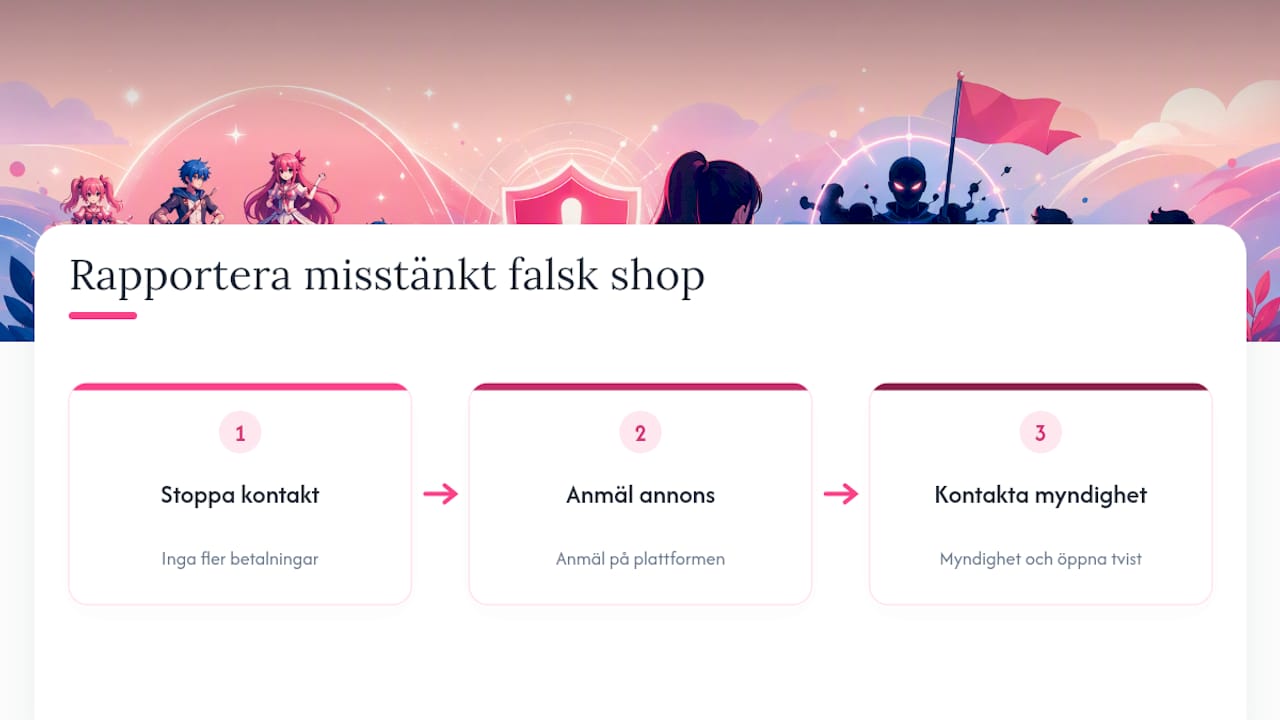
Then contact your national consumer authority if the purchase has already been made and the money has left your account. In Sweden, the Swedish Consumer Agency handles this type of case, while other countries have equivalent bodies. Attach screenshots of the ad, receipts and all communication with the seller. The more documentation you have, the faster the case can be investigated.
If you paid by card or a service with buyer protection, open a dispute there in parallel. The deadlines are often strict, sometimes as short as 30 or 60 days from the purchase, so don't wait for the consumer authority's response before taking action there.
Common fraud methods behind fake figure shops
Most fake figure shops base their tactics on urgency and emotional appeal rather than technical sophistication. A common method is to advertise an extremely sought-after or out-of-stock figure at a price significantly below what others are charging for it, often with a countdown timer or text stating “only two left in stock.”.
Another method is to copy entire product descriptions and images from a legitimate retailer’s site, sometimes word for word, to lend credibility you haven’t built yourself. The store may look professional at a quick glance, but lack contact information, a return policy, or an actual business registration number.
Some players build temporary online stores that only exist for a few weeks. They drive traffic through social media ads, take orders and payments, and then disappear before any goods are ever shipped. The domain is shut down, the account is deleted, and the buyer is left without goods and without a seller to contact.
Fake reviews are another component. New stores sometimes show a large number of five-star reviews posted within a few days, a pattern that rarely occurs organically in a real business with a gradually growing customer base. The combination of low price, time pressure, and a thin verifiable digital footprint is the common denominator in almost all of these schemes.
The consequences of buying from a fake figure shop
The most obvious consequence is that the money simply disappears. If you pay via a method without buyer protection, such as direct bank transfer or cryptocurrency, there is practically no way to get your money back if the store turns out to be a scam.
If you actually get an item, it is often a bootleg of significantly lower quality: cracked plastic, mispainted details, a solvent smell that won't go away, or accessories that don't fit in their mounts. Some collectors only discover the problem after several weeks, when the figure has already been damaged by poor handling during a long, poorly packaged shipment.
There is also a legal dimension for the seller, although rarely for the buyer. Bootlegs usually infringe on the copyright and trademark protection of the original studio or figure manufacturer, which is another reason not to support such trade, even by mistake.
Finally, there is a cost to collecting that is easy to forget. A bootleg has no resale value, cannot be resold seriously, and does not fit well next to a collection of genuine figures where the sculpt and color accuracy are actually noticeable in comparison.
What I think collectors often miss
The most common mistake is not to trust too much a single scam ad, but to trust too little your own gut feeling when something is cheap enough. Price is the most underestimated signal in this entire process, while collectors spend enormous energy analyzing eye prints and seam lines on images that are already too blurry to determine anything with certainty.
Conventional advice often stops at “check the hologram,” which is a good but insufficient tip because holograms can mimic the real thing very well in a photo. What actually works is combining several weak signals: price, seller history, product code validity, and a quick check against a community database. No single check is conclusive, but three or four that point in the same direction almost always give the right answer.
So prioritize the source over the details. An established reseller or a proven proxy service makes the entire technical review unnecessary, as the risk is already eliminated before the figure is even shipped.
— Theo
Safe shopping: three official figures to start with
If you want to avoid all the detective work with product codes and base stamps, it is enough to buy from a store that has already done the checking for you. An alternative to digging around among unsafe advertisements and Japanese proxy services is to buy through stores with officially licensed ranges, verified listings and fast deliveries where the risk of fraud is minimized.
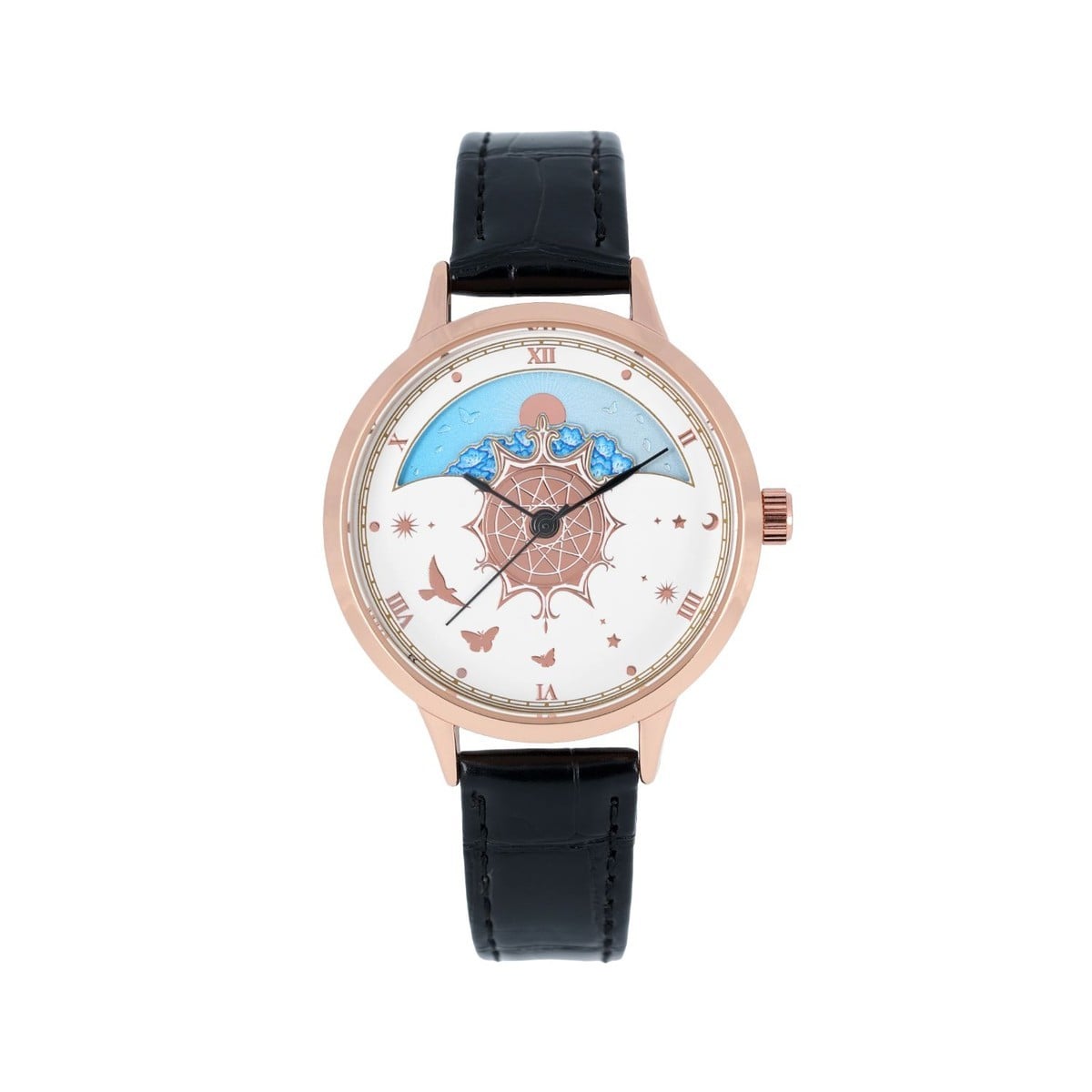
Three examples show what this means in practice. The Frieren wristwatch from Anime Toy is a licensed accessory for fans of The Suitor: Beyond Journey's End. Overlords Yuri Alpha in 1/4 scale, in “bunny ver.” and a full 35 centimeters tall, is exactly the type of large-scale figure where a bootleg is otherwise particularly common. Kurisu Makise from Steins;Gate in 1/8 scale, 24 centimeters, is a good example of a sought-after reissue where the product code is extra important to match.
Before paying, always check the product code on the product page and choose a payment method with buyer protection, just as you would with any reputable retailer.
Sources
If you want to delve deeper into technical authentication, RareInventory's guide to identifying fake figures is a good starting point for details on seam lines and base stamps. AnimeVault's review of fraud patterns complements it with seller behaviors to avoid.
For broader control of mobility, bases and accessories before purchase can MagicFranco's guide to choosing the right figure serve as support, along with the community discussion on anime.stackexchange.com about common warning signs.
- How to Spot a Fake Figure: Authentication Guide for Collectibles
- Ultimate Anime Figure Collecting Guide 2026: Best Figures & Pro Tips
- How to Avoid Getting Scammed When Buying Anime Figures Online | AnimeVault
Frequently asked questions
How do I quickly know if a figure is authentic?
Check the product code against the manufacturer's data, examine the base stamp under the figure, and compare the price to the market level. If all three are correct, the risk of a bootleg is very low.
Is it safe to buy figures without the original box?
It's possible, but require full photo documentation of the base stamp, face and seam lines before paying, as you're missing the packaging's authenticity markers as a normal reference.
Which payment methods protect me best when purchasing figures?
Methods with built-in buyer protection, such as cards or established payment services, give you a way to get your money back. Avoid direct bank transfer, “friends and family,” or cryptocurrency.
Can I trust that figures from Anime Figures are authentic?
Yes. Anime Figures sells official, licensed figures with a traceable supply chain, and the product pages show the information you would otherwise have to ask an unknown seller yourself.
Where should I report a suspected fake figurine shop?
First report the ad to the platform where it is located, and then contact your national consumer authority, in Sweden the Swedish Consumer Agency, if a purchase has already been made. Attach screenshots and all communications as evidence.